Overview
The three forms that turn metal fiber from a material into a textile input: composite thread, conductive blended yarn, and stretch-broken / blended tow. Textile, anti-static, heating and shielding applications usually enter at this layer.
Ultra-fine Metal Fiber Composite Thread
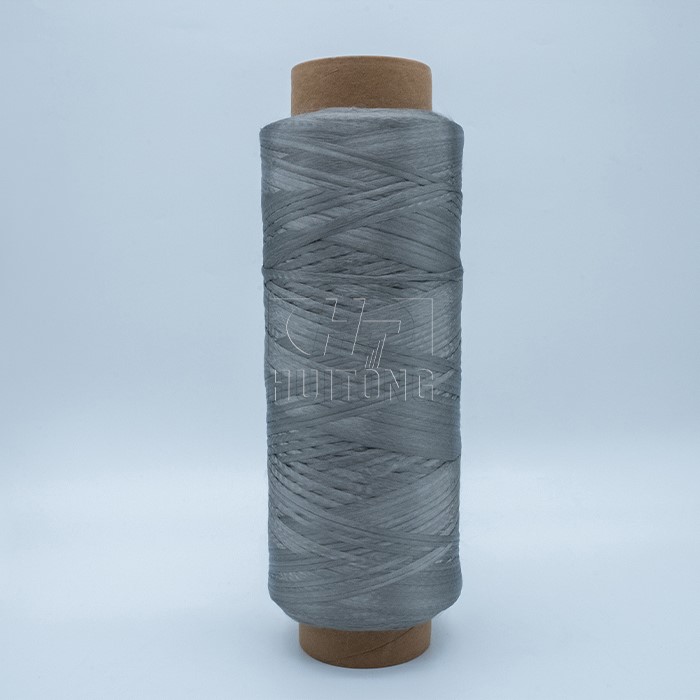
A flexible thread twisted from single or multiple ultra-fine fiber strands. It offers good conductivity, high strength and elastic modulus, abrasion and corrosion resistance, and excellent thermal stability in oxidising atmospheres. Resistance range is wide and heating resistance can be customised. Heating elements made from it provide far-infrared output, remain soft and fold-resistant, heat evenly and last. Used in anti-static brushes, high-temperature sewing thread, signal and conductive transmission lines, and heating cable.
Conductive Blended Yarn
Produced by blending metal fiber tow with synthetic, cotton or viscose fiber, then drawing and twisting. Blending uniformity is high, yarn evenness good and defects few. Grades cover EMI shielding, anti-static, conductive, smart clothing, and acrylic conductive yarn for touchscreen gloves.
Stretch-broken and Blended Tow
| Form | Key parameters | Characteristics |
|---|---|---|
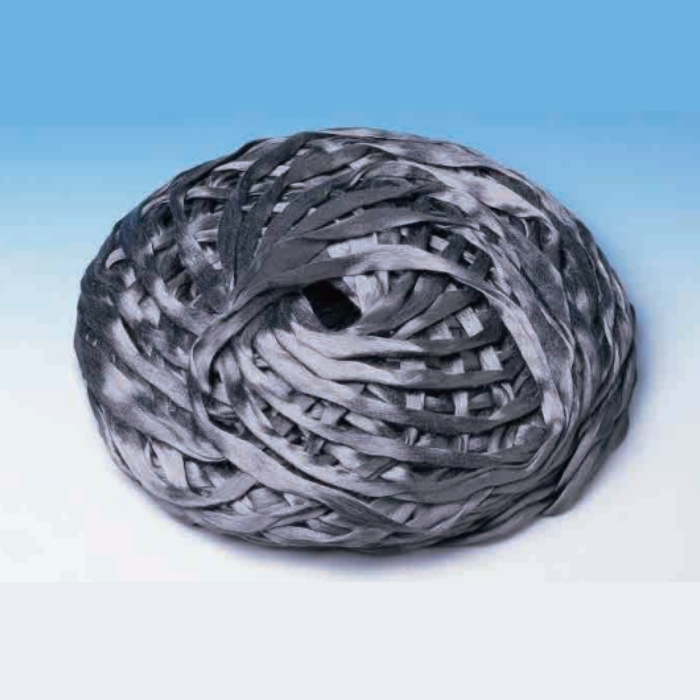
| Stretch-broken tow | 38–110 mm; 2–10 g/m; vacuum packed | Good bulk and processability |
| Blended tow | Blended with polyester, aramid, PPS | Stable conductivity; about 10% addition gives permanent anti-static nonwoven |
Delivery
[To be confirmed: linear density range, twist, breaking strength, MOQ, lead time]
| Model | Composite thread / blended yarn / stretch-broken tow / blended tow |
|---|---|
| Material / Process | Stainless fiber with synthetic, cotton, viscose, aramid, PPS |